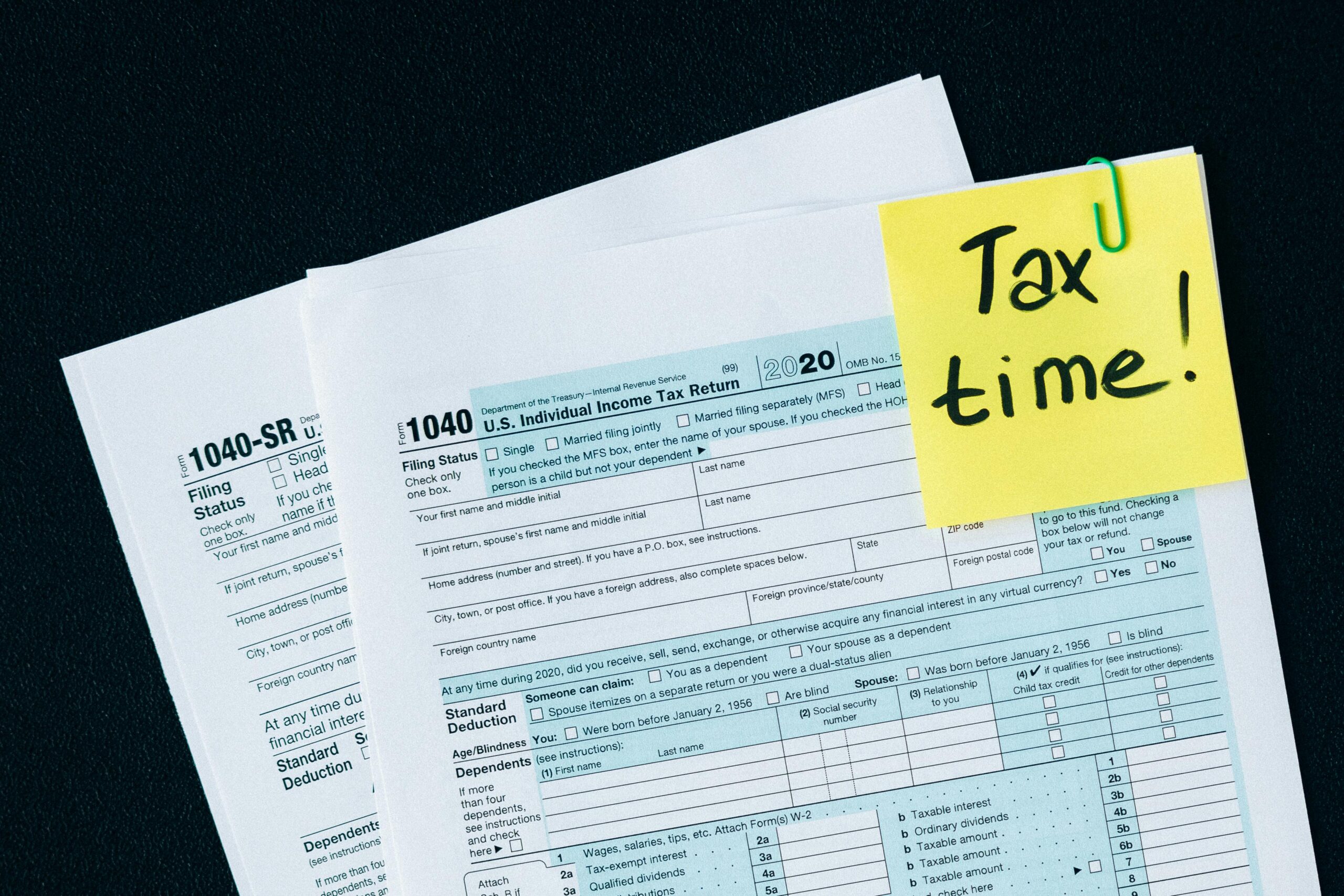
Like a slow leak from a bucket, taxes can gradually deplete retirement savings. Many retirees are surprised by how much of their income they will ultimately lose to federal and state taxes. This financial impact can undermine long-term confidence and flexibility for those who do not proactively address their tax exposure. Financial advisors consistently emphasize that a well-constructed tax plan is one of the most effective ways to preserve wealth in retirement.
Retirees can mitigate their tax obligations using several proven approaches. Read on to learn more about tax strategies and how to apply them.
Tax Implications in Retirement
Retirement can span two or even three decades. As life expectancy increases, so does the possibility of outliving savings. Taxes are among the largest and least anticipated expenses in retirement. A 2024 report from Northwestern Mutual revealed that only 30% of Americans have a plan to minimize the taxes they pay on their retirement savings. Because retirement income often consists of a mix of Social Security benefits, pensions, and tax-deferred accounts, it’s important to manage withdrawals efficiently.
How to Reduce Tax Burden
Working with a financial advisor can help retirees anticipate future tax law changes and shifting income levels, providing greater stability and control throughout retirement. Through thoughtful tax planning, retirees can avoid penalties, coordinate Social Security claiming strategies, and manage required minimum distributions (RMDs). Additionally, retirees can take advantage of tools like Roth conversions, charitable giving, and tax-efficient investments. Here’s how retirees can maximize their savings using these three methods.
Create Tax-Free Income With Roth IRAs
Converting assets from traditional retirement accounts, such as 401(k)s or IRAs, into a Roth IRA is a common way to minimize tax obligation. Pre-tax dollars fund traditional accounts, so they are taxed as ordinary income. By contrast, Roth IRAs are funded with after-tax dollars, thereby allowing retirees to make tax-free withdrawals in retirement.
Individuals who expect higher tax rates later in life may find this approach especially attractive. Factors, including multiple income streams, RMDs, inherited retirement accounts, and loss of deductions, like mortgage interest, can cause this tax bracket shift. For example, someone in the 22% federal tax bracket who anticipates moving into a higher bracket in retirement for these or other reasons may benefit from paying taxes at today’s lower rate. While a Roth conversion requires paying income tax in the year of the conversion, it can reduce future tax exposure and provide more flexibility when managing retirement income.
Here are some key considerations:
- Taxes are due on converted amounts the year the conversion occurs, but future qualified withdrawals from Roth IRAs are tax-free.
- Roth IRAs must be open for at least five years before earnings can be withdrawn tax-free.
- Withdrawals require the account holder to be 59 ½ or older.
- For 2026, the IRS allows IRA contributions of up to $7,500, or $8,600 for individuals age 50 and older, with income-based phaseouts.
Incorporate Tax-Advantaged Investments
Certain investment vehicles are structured to provide tax benefits, making them valuable to a retirement income strategy. Diversifying across tax-efficient investments can help retirees decrease their overall tax burden while still pursuing growth and income.
Examples include:
- Municipal bonds: State and local governments issue these bonds to generate interest income that is exempt from federal income tax and, in some cases, state taxes. They carry little risk and can provide consistent income with favorable tax treatment.
- Real estate investments: Real estate can offer multiple tax advantages, including depreciation deductions that may offset taxable income. Additionally, investors can defer capital gains taxes through a 1031 exchange by reinvesting proceeds into a similar property, thereby preserving capital for continued growth.
- Annuities: Annuities grow tax-deferred, meaning earnings do not incur tax until withdrawal. Properly structured, they can help retirees control the timing of taxable income while generating predictable cash flow.
A financial advisor can help evaluate how these investments align with an individual’s risk tolerance, income needs, and long-term objectives.
Leveraging Charitable Giving for Tax Efficiency
Retirees can save money by gifting it. Charitable giving can serve as a powerful tax strategy while supporting meaningful causes. Donations may help reduce capital gains, real estate, and income taxes. Under current IRS regulations, taxpayers may deduct cash contributions of up to 60% of adjusted gross income, subject to specific guidelines. However, there are some important changes in 2026, including a new 0.5% AGI floor that applies to itemizing taxpayers. Beginning January 1, 2026, itemizing taxpayers can only deduct the portion of their total charitable contributions that exceeds 0.5% of their AGI. Itemized deductions are capped at 35% for those in the top tax bracket. Non-itemizers can deduct up to $1,000 ($2,000 for joint filers) for cash donations made to qualified organizations.
Qualified Charitable Distributions (QCDs) allow individuals age 70 ½ or older to transfer funds directly from an IRA to a qualified charity without recognizing the distribution as taxable income. QCDs can also count toward RMDs, which now begin at age 73. For example, a $10,000 QCD can reduce taxable income by that amount, potentially saving $2,400 for someone in the 24% federal tax bracket.
Working with a knowledgeable financial advisor is essential for integrating these strategies into a cohesive tax-efficient plan. Advisors help clients manage current tax exposure while proactively adjusting for changes in income, tax laws, and retirement goals. At SHP Financial, tax planning is a key facet of our SHP Retirement Road Map®. We help retirees protect savings and maximize income using disciplined planning strategies built on decades of experience. Contact us today for a complimentary financial review.
Certain guides and content for publication were either co-authored or fully provided by third party marketing firms. SHP Financial utilizes third party marketing and public relation firms to assist in securing media appearances, for securing interviews, to provide suggested content for radio, for article placements, and other supporting services.
The content presented is for informational purposes only and is not intended to offer financial, tax, or legal advice, and should not be considered a solicitation for the purchase or sale of any security. Some of the informational content presented was prepared and provided by tMedia, LLC, while other content presented may be from outside sources that are believed to provide accurate information. Regardless of source, no representations or warranties as to the completeness or accuracy of any information presented are implied. tMedia, LLC is not affiliated with the Advisor, Advisor’s RIA, Broker-Dealer, or any state or SEC-registered investment advisory firm. Before making any decisions, you should consult a tax or legal professional to discuss your personal situation. Investment Advisory Services are offered through SHP Wealth Management LLC., an SEC-registered investment advisor. Insurance sales are offered through SHP Financial, LLC. These are separate entities. Some supervised persons of SHP Wealth Management, LLC, are independent licensed insurance agents of SHP Financial, LLC. No statements made shall constitute tax, legal, or accounting advice. You should consult your own legal or tax professional before investing. Both SHP Wealth Management, LLC. and SHP Financial, LLC. will offer clients advice and/or products from each entity. No client is under any obligation to purchase any insurance product.